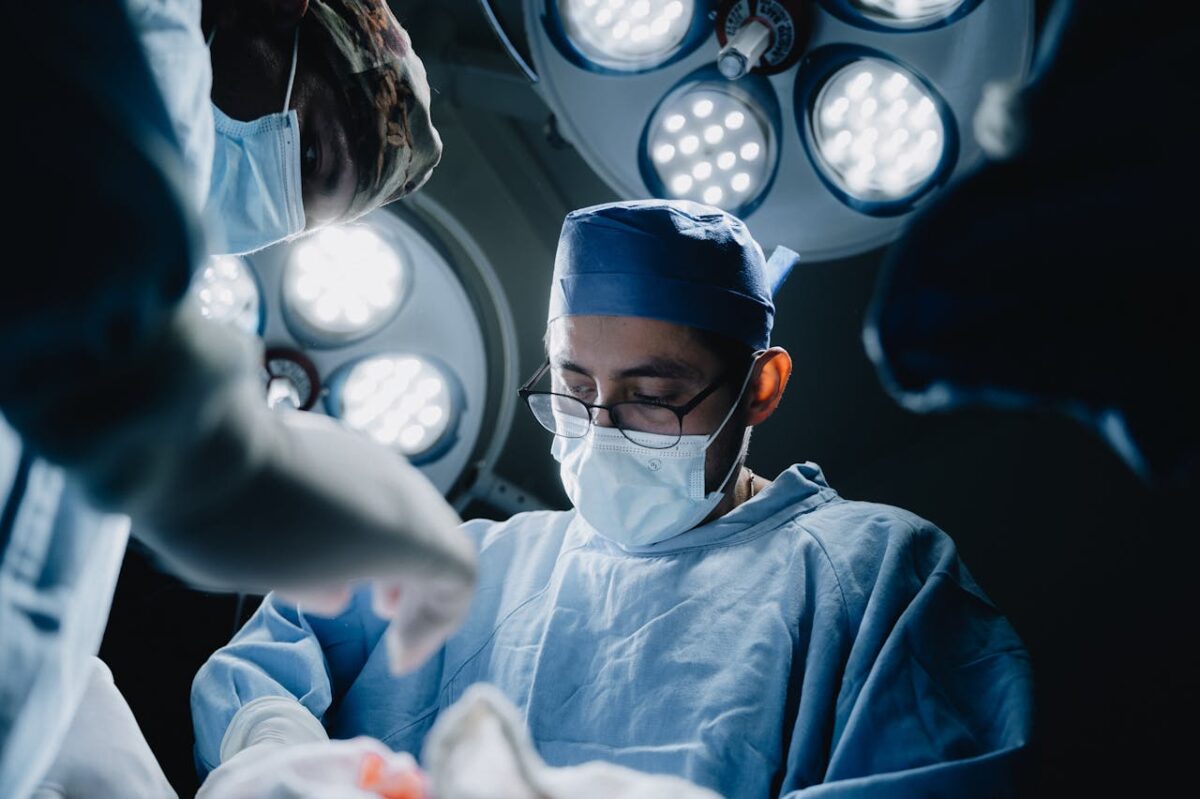
Cosmetic surgery is entering a new era, one defined not by transformation, but by refinement. Where previous years leaned towards exaggerated features and overt enhancement, the direction of travel for 2026 is clear. Subtlety, proportion and authenticity now lead the conversation. Patients are no longer asking to look different. They are asking to look like themselves, only better.
This shift is not purely aesthetic. It reflects a broader cultural movement towards longevity, wellness and credibility, where the most desirable results are those that are almost imperceptible.
The move away from “done”
The industry is quietly correcting itself. After years of overfilled faces and excessive augmentation, there is a growing rejection of what has become known as filler fatigue. Patients are dissolving, refining and rebalancing, moving away from unnecessary volume.
The modern brief is far more nuanced. It is about restoring structure, preserving movement and respecting the individuality of the face. Overcorrection is no longer aspirational. It is increasingly seen as a misstep. This has led to a rise in techniques that prioritise facial integrity, including subtle lifts, precise contouring and approaches that enhance rather than overwrite natural features.
Natural facial contouring and regeneration
One of the most significant developments is the move towards regenerative techniques. Fat grafting, which uses the patient’s own tissue, is gaining momentum as a preferred alternative to synthetic fillers. It restores volume while also improving skin quality, aligning with the growing demand for results that appear and feel authentic.
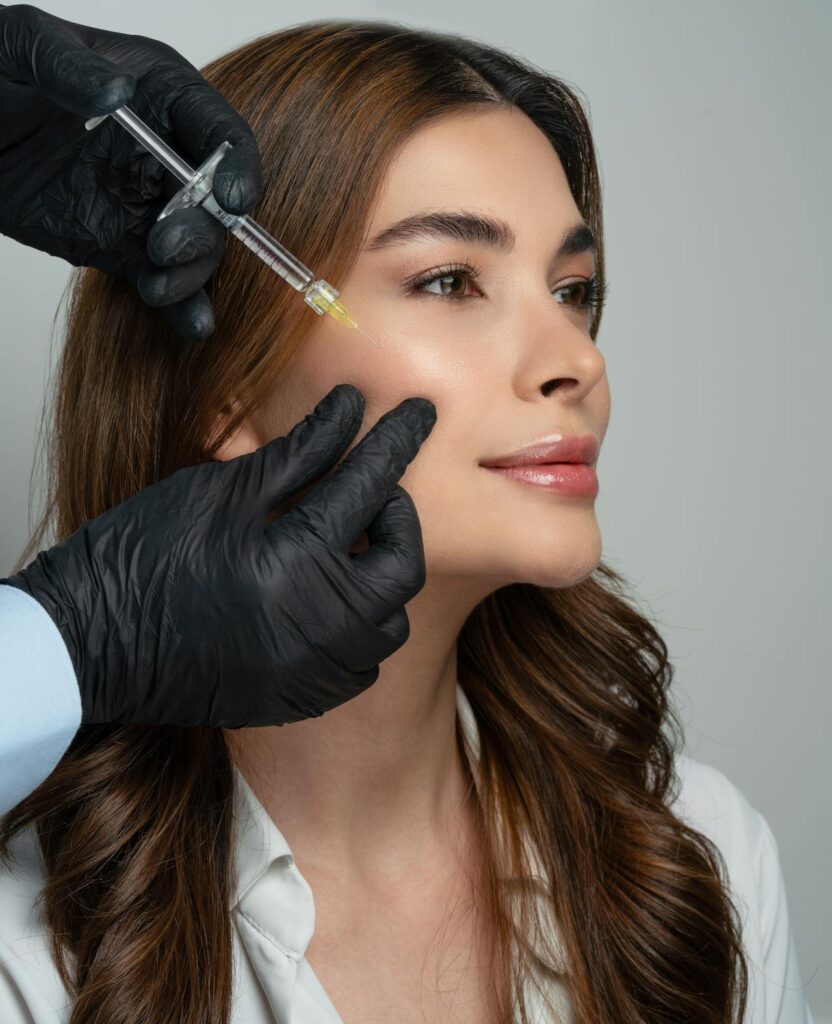
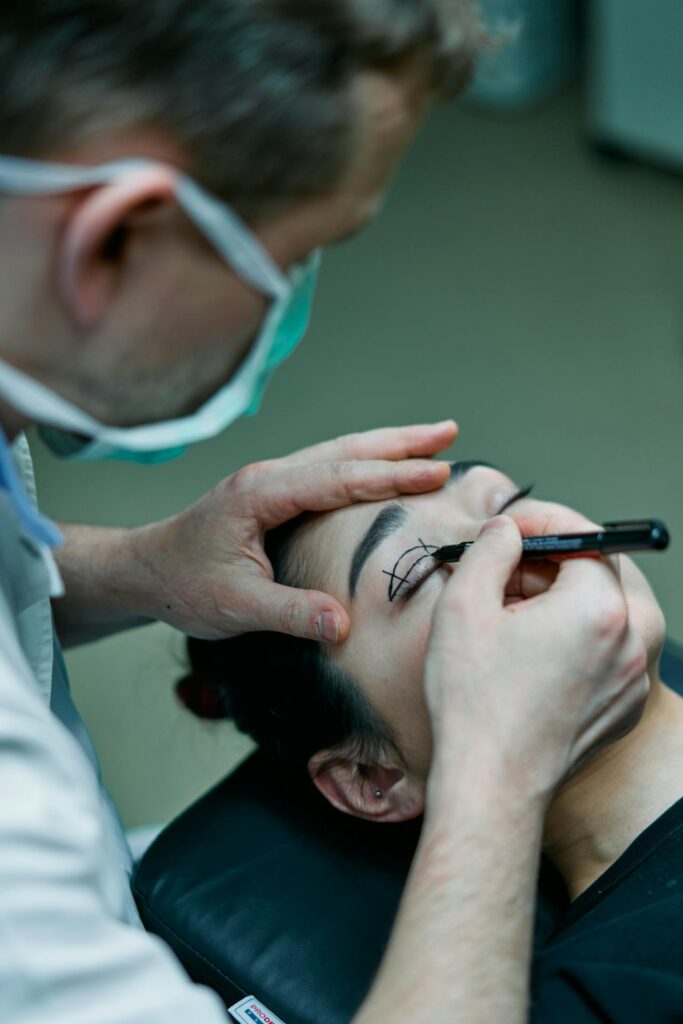
This forms part of a wider shift towards a more holistic view of aesthetics, where outcomes are driven by biological processes rather than purely cosmetic intervention. Patients are increasingly informed and interested in how results are achieved, not simply how they look. The future of facial rejuvenation is centred on restoration rather than addition.
Body trends: proportion over size
Body surgery is undergoing a similar recalibration. The focus has moved away from extremes and towards balance. Breast surgery, in particular, is seeing a shift towards smaller, more natural implants, often described as “fashion boobs”, designed to complement the body rather than dominate it. At the same time, breast reductions are increasing, reflecting a desire for comfort, proportion and lifestyle alignment.
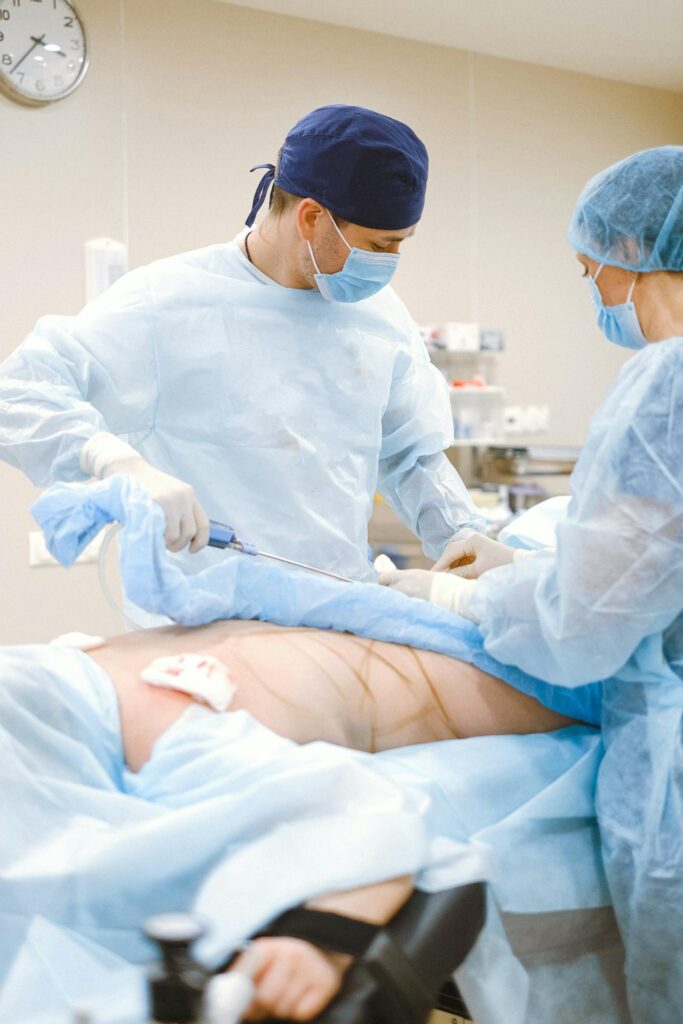
Body contouring procedures such as liposuction and abdominoplasty remain popular, but the intention has evolved. Patients are seeking refinement and silhouette rather than dramatic reshaping. The aesthetic is quieter, more considered and ultimately more sustainable.

The rise of minimally invasive innovation
Advances in technology continue to redefine both possibility and expectation. There is increasing demand for procedures that deliver results with minimal downtime and reduced scarring. Techniques such as ultrasonic rhinoplasty, radiofrequency-based treatments and non-surgical lifting options are gaining traction among patients who want visible improvement without significant disruption.
This reflects a broader lifestyle shift. Patients are less willing to commit to extended recovery periods and more interested in treatments that can be integrated into everyday life. Convenience is now as important as outcome.
Addressing facial volume loss
The rise of rapid weight loss has introduced a new challenge in aesthetic medicine, namely, facial volume depletion. As more patients experience accelerated weight loss, there has been a corresponding increase in demand for facial rejuvenation to restore softness and structure. Hollowing, skin laxity and a loss of youthful fullness are driving interest in both surgical and non-surgical solutions. The emphasis remains on restoration. The objective is to reintroduce balance without creating an artificial appearance.
The growth of the male patient
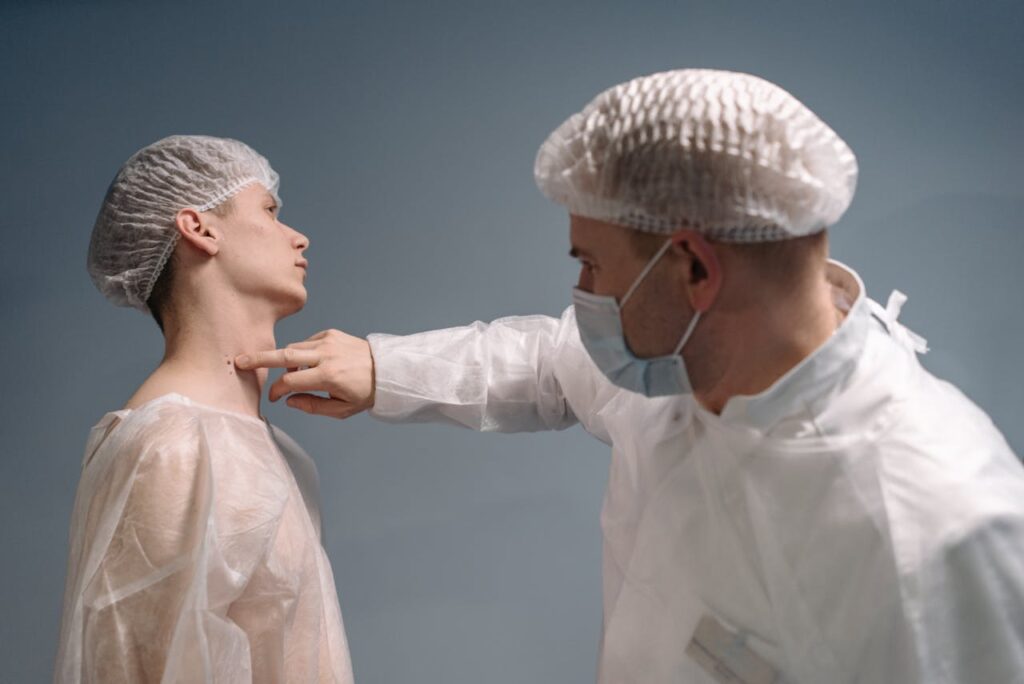
Another notable development is the continued rise in male patients. Men are increasingly seeking procedures such as eyelid surgery, facelifts and body contouring, but with a clear expectation that results remain discreet and natural. This has encouraged further refinement in technique, ensuring that outcomes enhance without appearing obvious or altering masculine features.
The role of pre-surgical optimisation
One of the most important shifts is taking place before surgery even begins. Patients are no longer viewing surgery as a standalone solution. There is growing recognition of the role that skin quality, cellular health and overall well-being play in surgical outcomes.
Practitioners such as Dr Mihaela Gulyas of SKNCode London and Dr Memee of SkinCouture are leading this approach, focusing on advanced, medically led treatments that prepare the skin and optimise conditions prior to surgery.
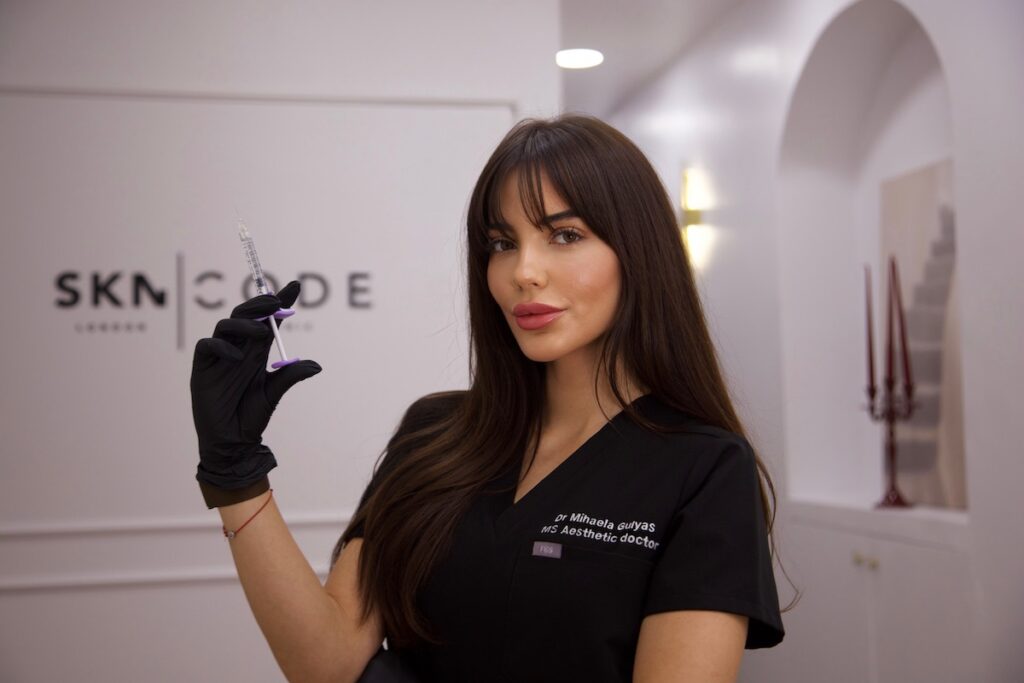
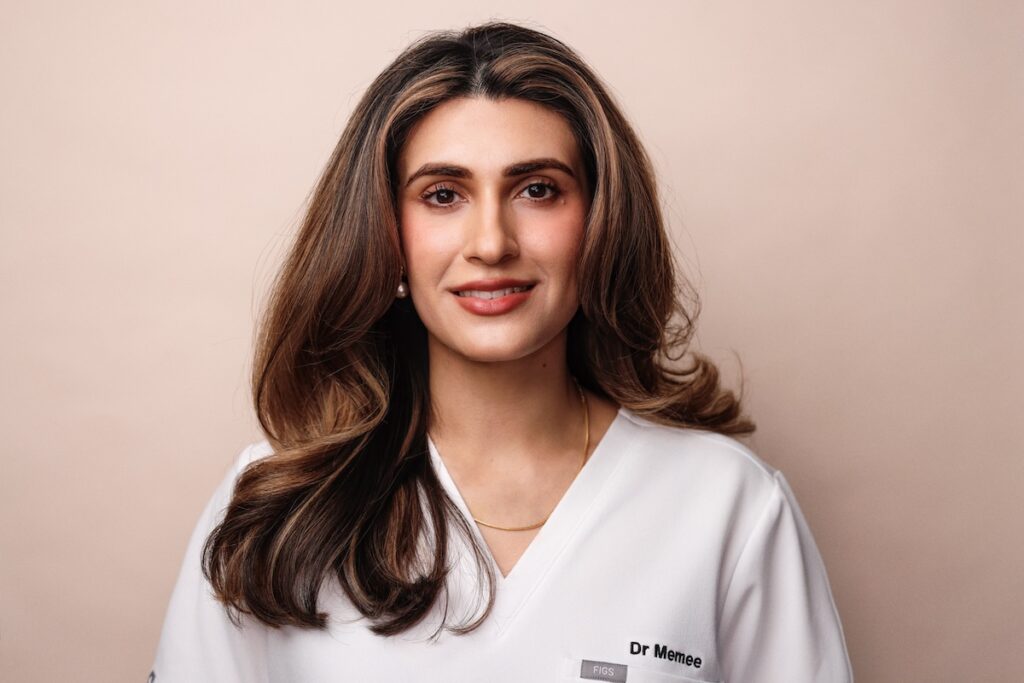
From energy-based technologies to regenerative therapies and personalised treatment plans, these methods ensure that patients are in the best possible condition before undergoing surgical procedures. The result is improved healing, reduced downtime and enhanced longevity of outcomes. This is where aesthetics, wellness and surgery begin to converge.
The strategic takeaway
Cosmetic surgery is no longer about following trends. It is about responding to a more informed and discerning patient. The modern consumer values credibility over excess, subtlety over statement and long-term outcomes over short-term fixes. They are investing in practitioners who understand proportion, biology and restraint. For brands, clinics and agencies operating within this space, the message is clear. The future is not louder. It is more intelligent. Undone beauty is not about doing less. It is about doing things properly, with precision, intention and respect for the individual.
For more insights and updates on the wellbeing market, be sure to follow our blog at LadyCPR.