Luxury has always been about what you wear, where you stay, and what you drive, the Birkin on your arm, a suite at the Ritz, a vintage watch on your wrist. Status was tangible, acquired, and displayed.
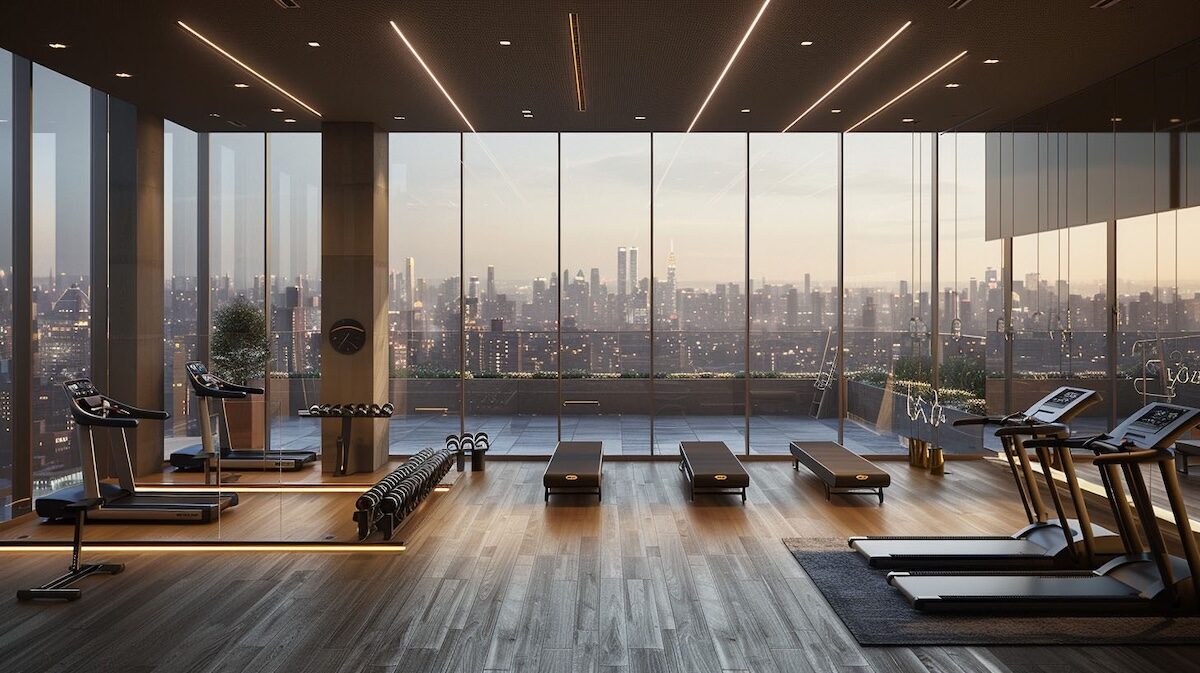
Today, this mindset is quietly shifting. The most coveted currency among the wealthy is no longer material; it’s physical: a resting heart rate of 48, a VO2 max that rivals athletes half their age, a biological age a decade younger than the calendar says. Fitness, in its broadest and most ambitious sense, has become the defining luxury of our moment. The toned arm is now a status symbol, as noted in The Times.
High-End Health Programs: The New Luxury Purchases
Soho House’s wellness pivot set the stage, and now Equinox has taken it further with its $40,000 “Optimised” membership. This elite yearly longevity program promises to slow ageing through personalised health, biotech, and fitness interventions. Members receive extensive biomarker testing via Function Health, 16 hours of monthly coaching (covering personal training, nutrition, and sleep), and monthly massages.
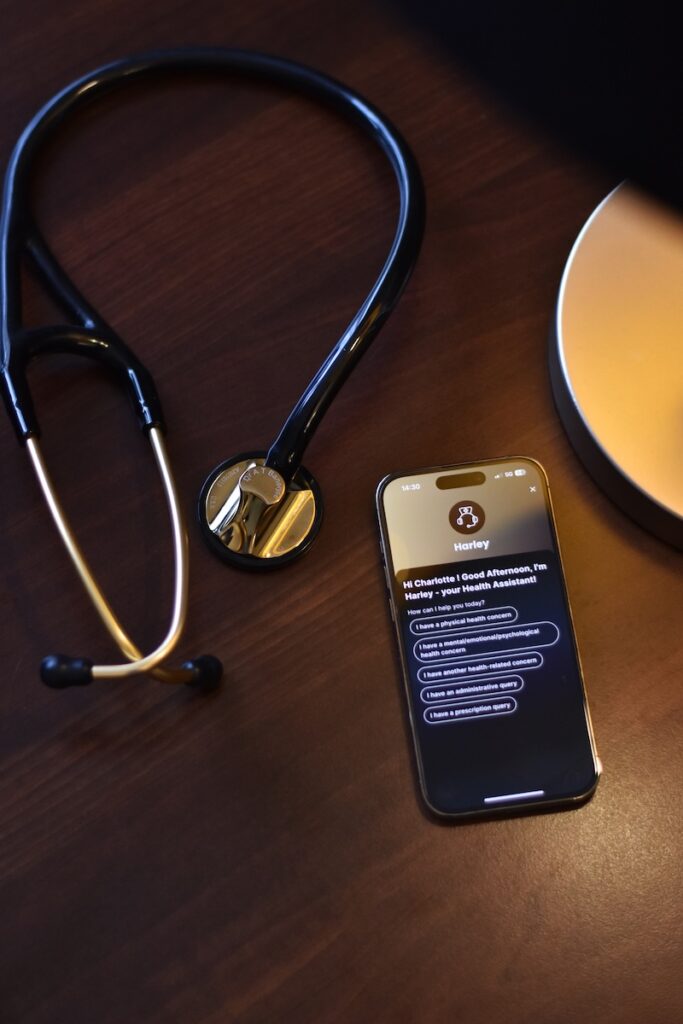
The global wellness economy reflects this trend; it’s now valued at over $5 trillion, with high-net-worth consumers driving its most exclusive edge. Longevity clinics with five-figure annual memberships are fully booked. Private performance coaches, once reserved for elite athletes, are now retained by founders and executives. Cryotherapy chambers, peptides, and apps such as HarleyDoc have migrated from sports science fringes into the daily routines of the ultra-affluent.
Biohacking for the Ultra-Wealthy
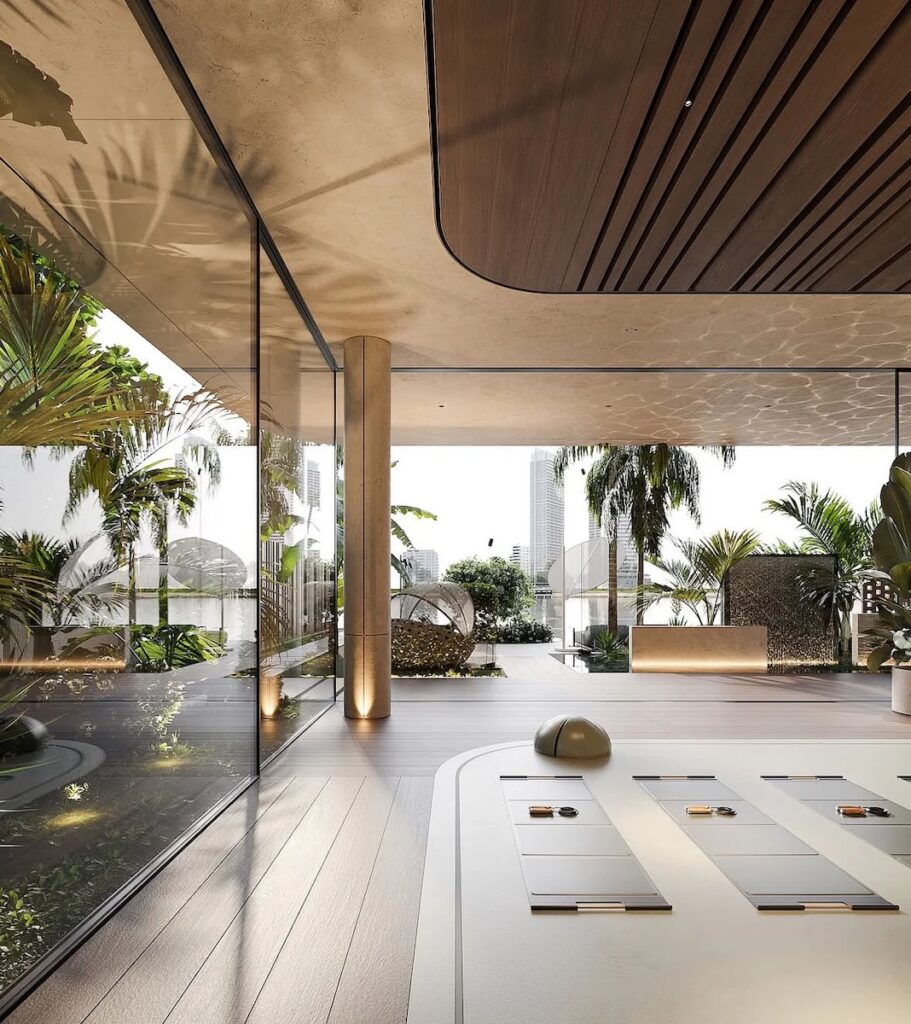
This is wellness as investment: bespoke longevity programs, quarterly bloodwork analysed by dedicated physicians, hyperbaric oxygen suites installed at home. Vanity plays a role, but the core motivation is a desire to extend time. For a generation that has spent decades accumulating wealth, the question is no longer what to buy, but how long they have to enjoy it. Health has become the ultimate asset, compounding in value if cared for early and diligently.
The Cultural Shift: Fitness as Moral and Social Currency
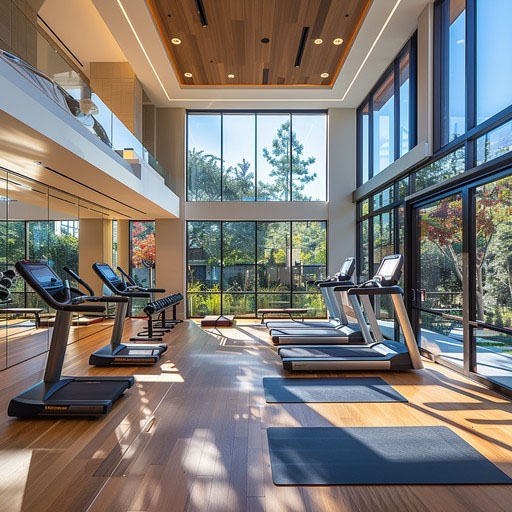
In today’s era of radical transparency, conspicuous consumption can feel outdated. The body offers a more acceptable and admirable form of display. Discipline, consistency, and self-investment confer moral weight. In certain circles, a lean physique and a detailed wellness routine signal not just money, but seriousness of purpose.
Social media has amplified this trend. Gym selfies have evolved into aspirational, data-rich posts: shared Whoop stats, marathon finish times, or before-and-after snapshots of a 12-week longevity protocol. Wellness is now broadcast performance, interpreted by audiences as a marker of success.
How Luxury Brands are Responding
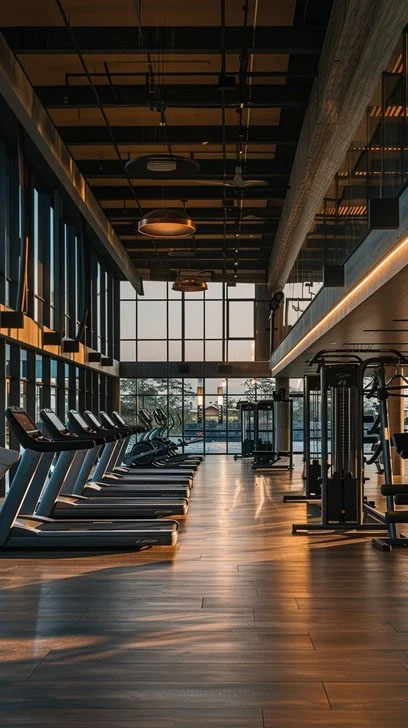
Luxury brands are taking note. Loewe’s collaboration with On, the premiumization of activewear, and hotels competing on spa and performance facilities all demonstrate this shift. Aman’s philosophy of restoration and ritual feels more contemporary than ever.
The old luxury was about distance, the exclusive object that set you apart. The new luxury is about depth: investing rigorously in your health, optimising your life, and demonstrating seriousness about longevity.
Fitness isn’t just the new flex; it may well be the last one that matters. As wellness culture continues to define modern status, investing in your body and longevity has become the ultimate form of luxury. For more insights and updates on the wellbeing market, be sure to follow our blog at LadyCPR.