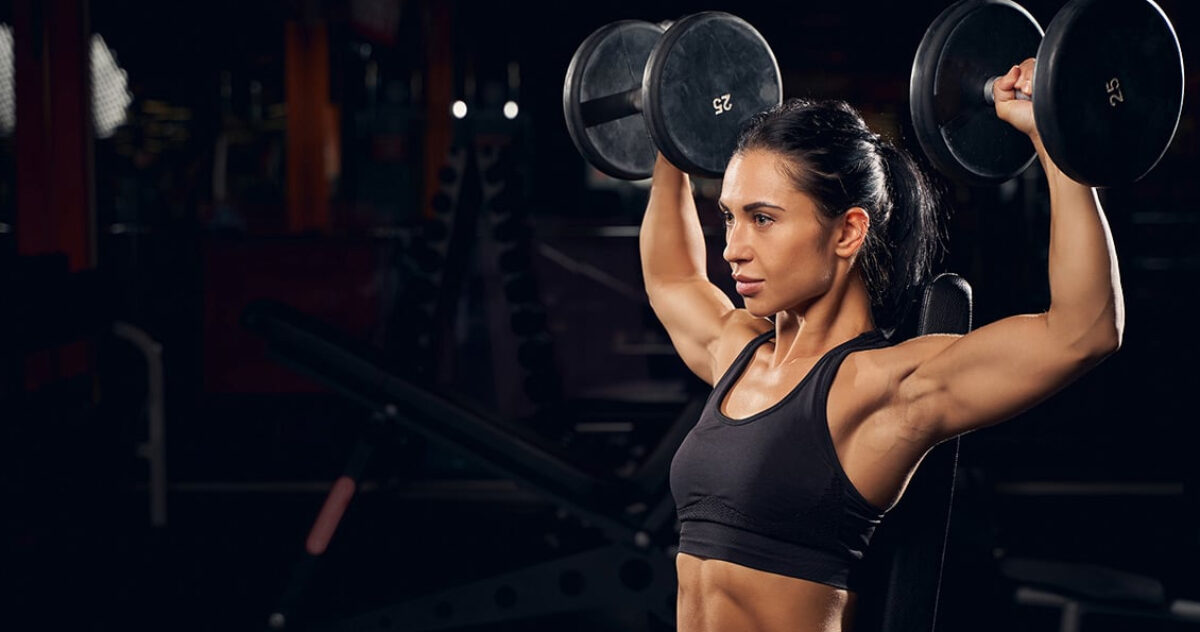
With The Financial Times highlighting lifting weights in a new light, does this mean we will be going back to basics in 2026 or will AI continue to grow in all areas of our lives? It has now been found that people with more muscle mass tend to suffer less brain ageing, scientists have found, whilst researching the potential downside of using weight-loss drugs that lead to loss of brawn as well as fat.
So what will we see in fitness in 2026?
Exercise for Weight Management and Medical Integration will be key, if 2025 was the year of the skinny jab, 2026 will be here to manage it
Following on from the opening line above, weight management remains a major trend, with fitness being integrated with medical strategies (especially for managing obesity). The use of obesity-management medications (e.g., GLP-1 receptor agonists) is influencing how people view fitness: not just for performance, but as part of a holistic weight management + health approach.’
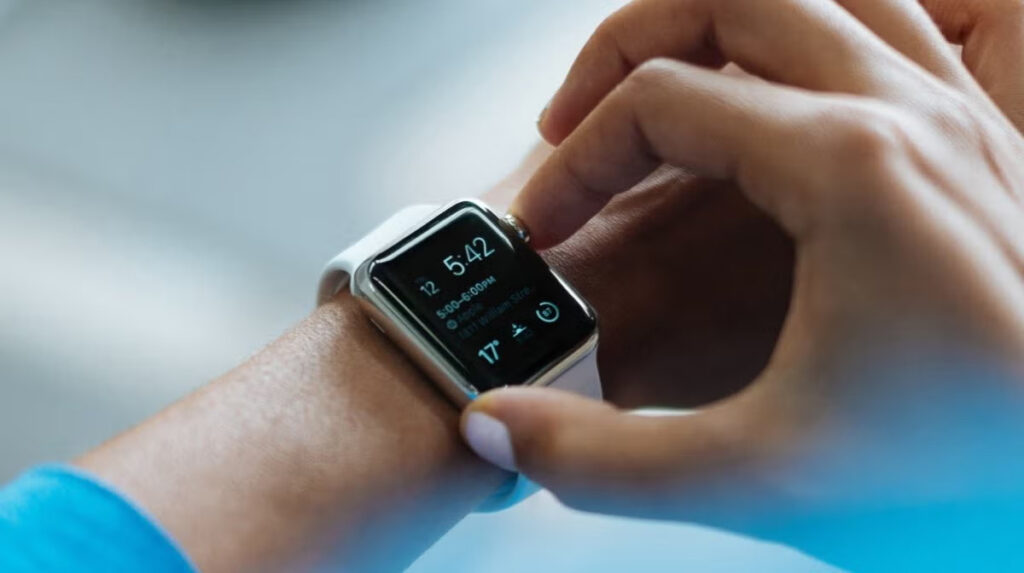
Wearable Technology and Advanced Biosensors
According to research, wearable tech remains the top fitness trend for 2026. These devices are becoming more sophisticated, tracking not just steps or heart rate, but also skin temperature, blood glucose, heart rhythm, and more. This is where the likes of HarleyDoc will excel. Smart clothes are also emerging: textile sensors embedded in fabrics to monitor form, breathing, and exertion in real time.
AI-Powered and Hyper-Personalised Coaching
I mentioned AI earlier; the positive aspects of this can be used to tailor workouts in real time, by analysing biometrics (sleep quality, stress, heart rate, etc.) and adapting programs accordingly. AI doesn’t replace coaches but augments them; coaches can focus on motivation, technique, and interaction while AI handles data analysis and personalisation.
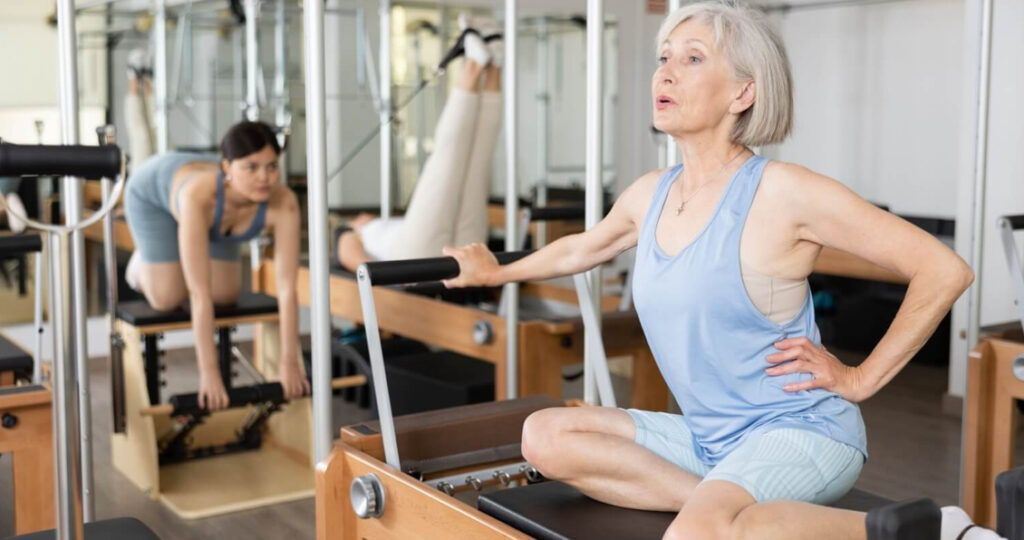
Active Ageing and Fitness for Older Adults
As the global population ages, there’s an increasing demand for exercise programs specifically designed for older adults. Strength training, mobility work, and functional fitness will be tailored to prevent age-related decline, support independence, and improve quality of life.
Micro-Workouts and Time-Efficient Sessions
Short, high-impact workouts (5–15 minutes) will become more common, especially for people with limited time, with the likes of Bryony Deery adding Pilates workouts starting at 10 minutes to her app, amongst others. This will be a key trend alongside the 2025 mantra of ‘habit stacking’. These micro-workouts can be squeezed into daily routines (at home, at work), making consistency easier.
Regenerative Fitness and Recovery Focus
Lastly, it’s not all about the workout. Recovery isn’t just “rest”: activities like guided mobility, breathwork, cold therapy, and red-light therapy are becoming integral to fitness programs. There’s a growing mindset that long-term fitness = longevity + well-being, so recovery and longevity science are central.
To conclude, here’s why these trends are here to stay
- Data & Technology: Wearables + AI + digital twins mean more personalised, efficient training.
- Demographics: Ageing populations drive demand for fitness programs tailored to older adults.
- Health Mindset: More people see fitness not just as a way to look good, but as a pillar of long-term health, recovery, and mental well-being.
- Time Constraints: Busy lifestyles push people toward shorter, more effective workouts.
- Sustainability & Integration: Fitness is merging with fashion, tech, and eco-consciousness.
For more insights and updates on the medical market, be sure to follow our blog at LadyCPR.