We have become highly adept at tracking our physical health. Steps, sleep cycles and heart rate variability now offer constant insight into how our bodies are performing. Yet when it comes to emotional well-being, most people are still relying on instinct alone, navigating how they feel without truly understanding what is happening inside the brain that drives those emotions.
This is the gap that a new wave of pioneering wellness clinics is beginning to address.
The Brain Behind Your Emotions
Every mood, anxious thought and moment of brain fog has a neurological basis. The way the brain is wired, the activity levels across different regions and the strength of neural connections all play a defining role in shaping emotional experience. Patterns formed over years of stress, environment and behaviour influence how we respond to everyday life.
For most people, however, this internal landscape has remained largely invisible. Unlike other areas of health, the brain has not historically been explored or measured in a way that feels accessible or actionable. That is now beginning to change.
What Is Brain Mapping?
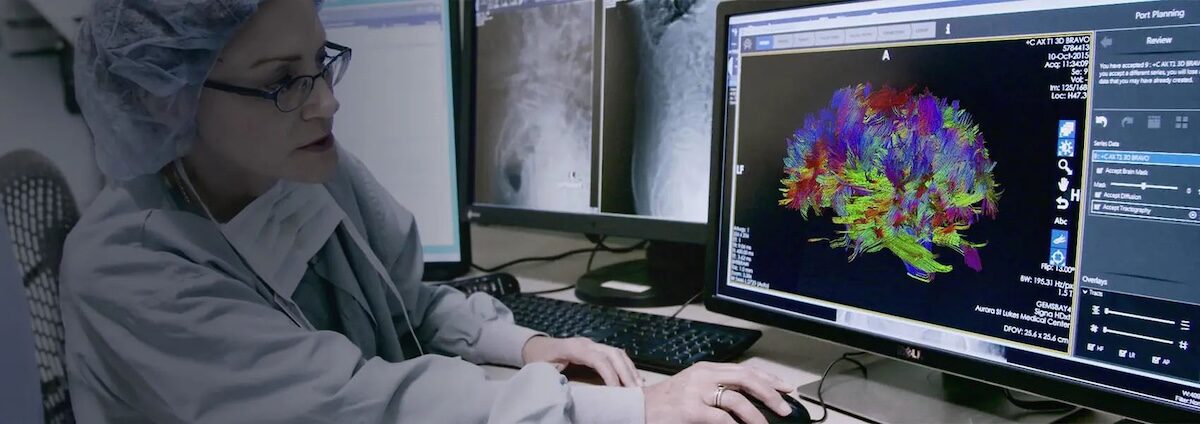
Brain mapping is a non-invasive assessment designed to build a detailed picture of how the brain is functioning. It identifies where activity is balanced and where it may be overactive, underperforming or misaligned. In many ways, it acts as a comprehensive diagnostic tool for the mind.
Rather than relying on generalised assumptions around low mood, anxiety or emotional instability, brain mapping provides clinicians and patients with personalised, data-led insight. It marks a shift from treating symptoms to understanding their source.

Technology and Emotional Wellness
Clinics such as HarleyDoc are at the forefront of this emerging approach to mental and emotional health. By combining advanced diagnostic technology with targeted treatment plans, they offer a more personalised route to emotional balance, one grounded in neuroscience rather than guesswork.
This reflects a broader shift within the wellness industry. Emotional well-being is no longer viewed solely through the lens of mindset or lifestyle. It is increasingly understood as biological, measurable and, importantly, treatable.
Who Is It For?
Brain mapping, and the treatments that follow, are particularly relevant for individuals experiencing persistent low mood, anxiety, chronic stress or emotional instability. It also resonates with those who feel ‘not quite themselves’, even when there is no obvious external cause.
Beyond this, there is growing interest from high-performing individuals seeking to optimise focus, clarity and emotional resilience. The appeal is no longer limited to solving problems, but extends to enhancing performance and overall mental capacity.


A Shift Towards Proactive Mental Health
We are witnessing a quiet but significant evolution in how mental well-being is approached. The traditional model of waiting until something goes wrong and then attempting to fix it is being replaced by something more proactive, precise and preventative.
Clinics like HarleyDoc sit at the centre of this shift. In a fast-paced city environment, where cognitive demand and emotional pressure are constant, access to this level of insight is becoming increasingly valuable.
The Bigger Picture
As technology continues to advance, the future of mental wellness is likely to become more personalised, data-driven and integrated with wider health practices. Understanding the brain is no longer reserved for clinical settings alone. It is becoming part of the everyday wellness conversation. Because looking after emotional well-being should not be reactive. It should be informed, intentional and prioritised in the same way as physical health.
For more insights and updates on the medical and well-being market, be sure to follow our blog at LadyCPR.