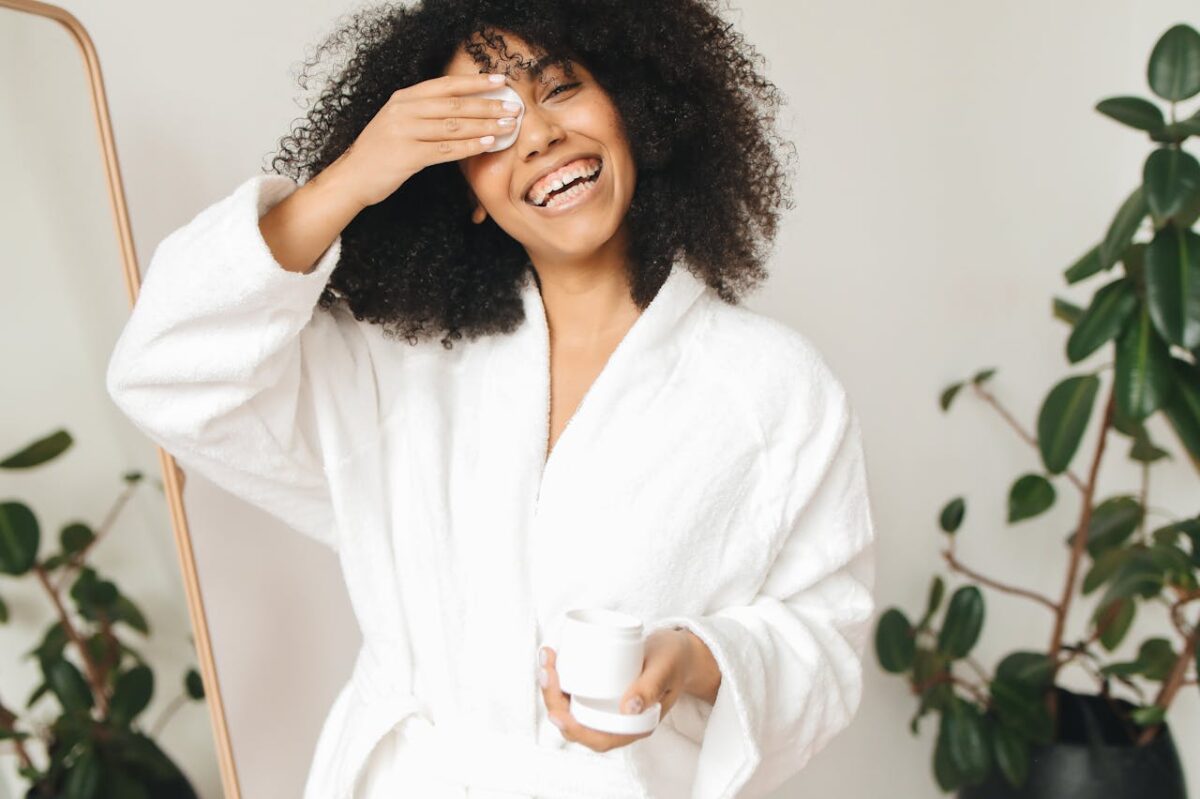
The global skincare market continues to grow at an impressive pace, with analysts forecasting it will exceed $200 billion within the next few years. Yet growth alone doesn’t tell the full story.
While consumers remain committed to skincare, they are becoming far more selective about what they buy. The days of blindly following trends, purchasing every new launch and filling bathroom shelves with products are beginning to fade.
Economic pressures have undoubtedly played a role, but there is also a broader cultural shift taking place. Consumers are asking tougher questions. Does this product genuinely work? Is it worth the investment? Do I actually need it?
The result is a market increasingly driven by intentional purchasing rather than impulse consumption.
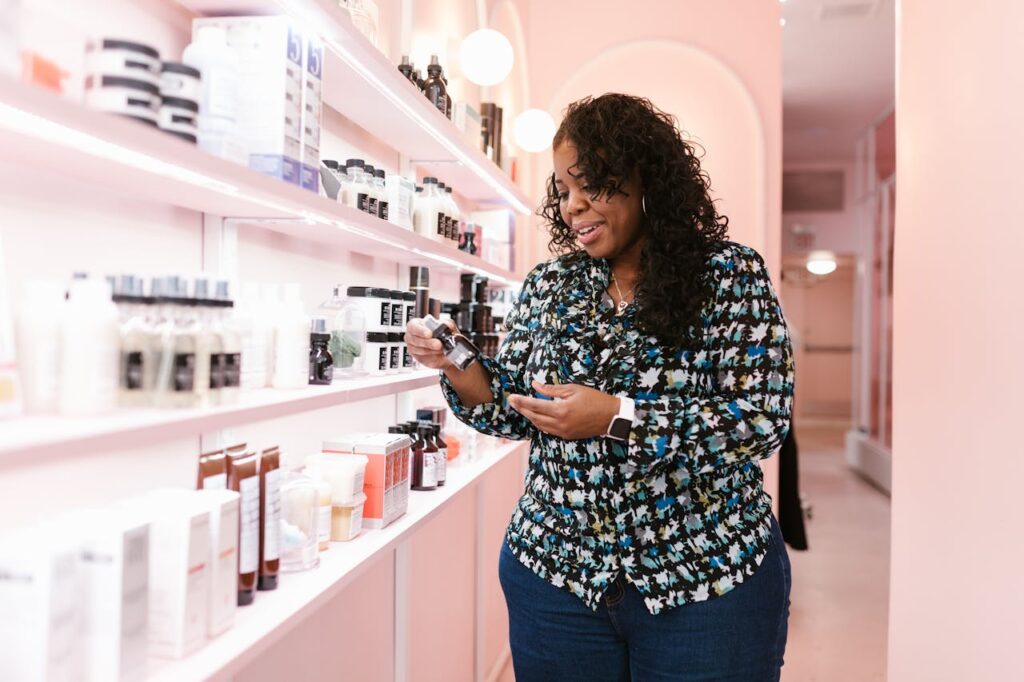
The Celebrity Beauty Boom Is Losing Momentum
For much of the past decade, celebrity-backed beauty brands dominated headlines and social feeds. A famous founder was often enough to secure retail listings, media attention and strong launch sales.
Today, however, consumers expect far more than a recognisable face. Brands such as Rhode have demonstrated that success comes from combining founder influence with a clear brand identity, strong product development and a loyal community. Meanwhile, several celebrity beauty launches have struggled to sustain momentum once the initial excitement fades.
Consumers are becoming increasingly sophisticated. They want transparency, authenticity and expertise. They want to know why a brand exists and what makes it different. In short, celebrity alone is no longer a strategy.
Luxury Consumers Are Redefining Value
Perhaps the biggest misconception in luxury beauty is that consumers simply want more. The opposite is often true.
Today’s luxury consumer is looking for products that deliver meaningful results, fit seamlessly into their lifestyle and feel aligned with their values. They are less interested in complicated routines and more interested in quality, efficacy and trust. Luxury is becoming less about excess and more about curation.
This mirrors wider shifts taking place across fashion, travel and wellness, where consumers are prioritising meaningful experiences, longevity and craftsmanship over conspicuous consumption.
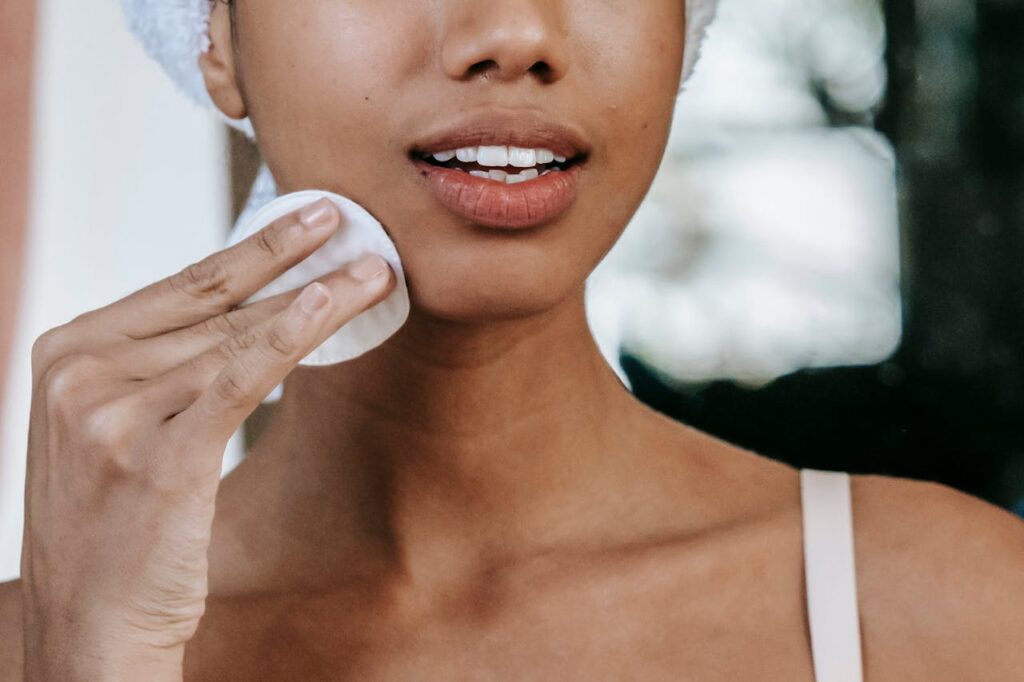
Skincare Is Becoming Part Of The Wellness Conversation
One of the most significant developments within the beauty sector is the growing overlap between skincare and wellness.
Consumers increasingly understand that healthy skin is influenced by factors far beyond topical products. Sleep, stress management, nutrition, movement and hormonal health have all entered the skincare conversation.
As a result, beauty brands are no longer competing solely with other beauty brands. They are competing for attention within the wider wellness ecosystem.
The brands that recognise this shift are building communities, creating rituals and positioning themselves as part of a broader lifestyle rather than simply selling products.
What Retailers And Media Want In 2026
The retail and media landscape has evolved dramatically. Editors, buyers and consumers are inundated with launches. Every week brings another serum, another celebrity founder and another trending ingredient.
What cuts through today is substance.
Retailers are increasingly looking for brands with a clear story, strong founder narrative, genuine innovation and a loyal community. Likewise, media outlets are prioritising brands that reflect broader cultural conversations around wellness, sustainability, longevity and conscious consumption.
The question is no longer whether a product is new. The question is whether it deserves attention.
What This Means For Emerging Brands
For independent beauty founders, this shift represents a significant opportunity. Smaller brands often possess something larger businesses struggle to replicate: authenticity, agility and a direct connection with their customer.
We’re seeing a new generation of skincare brands emerge that are prioritising focused product ranges, purposeful formulations and long-term brand building over rapid expansion.
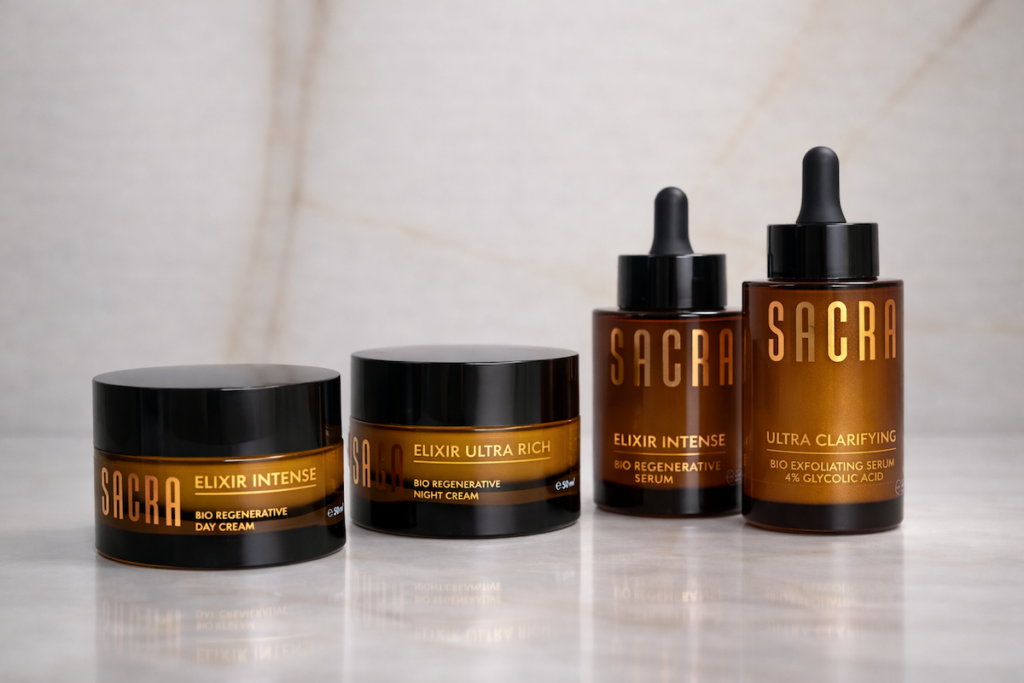
SACRA is one example of this changing approach. Rather than launching an overwhelming catalogue of products, the brand reflects many of the values today’s consumers are seeking: simplicity, intentionality and an elevated experience rooted in quality rather than excess.
And that may be the biggest lesson for the beauty industry as a whole. Consumers are not asking for more products. They’re asking for better ones.
The future of skincare won’t belong to the brands shouting the loudest. It will belong to the brands that earn trust, create value and understand that, sometimes, less really is more.
For more insights and updates on the beauty and well-being market, be sure to follow our blog at LadyCPR.