
We are increasingly familiar with the idea of investing in our health for the future, from prioritising sleep and exercise to eating well and protecting our cardiovascular health. Now, the same preventative thinking is making its way into aesthetics, with one phrase appearing everywhere from clinics to beauty pages: collagen banking.
But what exactly does it mean, and can you really “bank” collagen?
What Is Collagen Banking?
Collagen is one of the most important structural proteins in our skin. It provides strength, firmness and support, helping skin appear plump, resilient and youthful.
Unfortunately, collagen production naturally declines as we age, with environmental factors such as UV exposure, smoking, and lifestyle also contributing to collagen breakdown. Rather than waiting until significant loss of firmness, elasticity, and skin quality becomes visible, collagen banking is about taking a more proactive approach.

You cannot literally store collagen away for later. Instead, the concept refers to stimulating and supporting your skin’s own collagen production before significant depletion occurs.
It is essentially a long-term approach to skin health: rather than reacting to ageing once it becomes obvious, you invest in maintaining the quality of your skin along the way.
Prevention Rather Than Correction
The biggest shift in aesthetics in recent years has been the move away from dramatic, reactive treatments towards prevention, regeneration and natural-looking results. Collagen banking fits perfectly into this approach.
The aim isn’t necessarily to make someone look younger overnight. Instead, it is about supporting skin quality, encouraging collagen production, and helping maintain firmness and resilience over time.


This can begin with the fundamentals: daily broad-spectrum SPF, a balanced diet, good sleep, regular exercise and a well-considered skincare routine. Ingredients such as retinoids, vitamin C, and peptides can also form part of a collagen-supporting skincare regime.
For those wanting to take their approach further, technology-led aesthetic treatments can stimulate the skin at a deeper level.
How Can Technology Support Collagen Production?
Modern aesthetics offers an increasingly sophisticated range of treatments designed to encourage the skin’s natural regenerative processes.
At SKNCode, founded by Dr Mihaela Gulyas, advanced energy-based technology forms an important part of its approach to non-surgical skin rejuvenation. Treatments such as laser-based skin resurfacing can stimulate collagen remodelling and improve texture and firmness, while the clinic’s broader technology-led approach allows treatments to be tailored to individual skin concerns. SKNCode also has a resident surgeon, providing an additional level of expertise for patients who may eventually be considering surgical options.
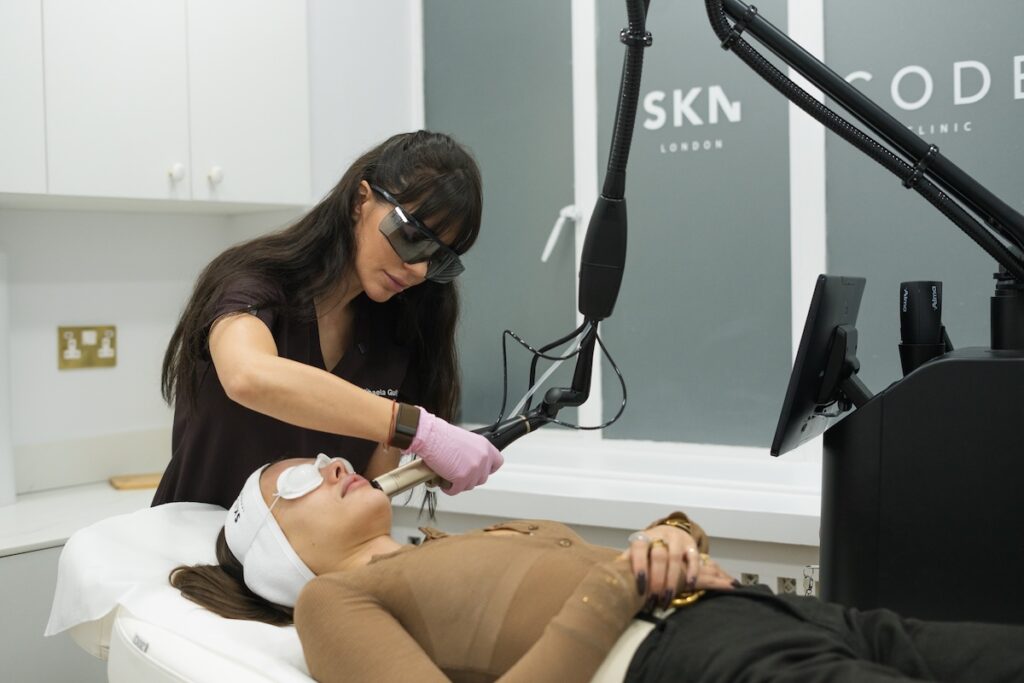
At SkinCouture, founded by Dr Memee Ahmad, the emphasis is firmly on skin health and prevention rather than waiting for problems to become more pronounced. Regenerative technologies and treatments, including radiofrequency microneedling and regenerative approaches such as polynucleotides and exosome-based treatments, can be incorporated into longer-term plans designed to support skin quality and collagen production. The philosophy is to invest in the skin early and consistently, potentially helping patients delay the need for more invasive interventions later in life.
Don’t Forget LED
Collagen banking doesn’t have to mean intensive treatments. At-home technology can also play a role in maintaining a consistent skin-health routine.
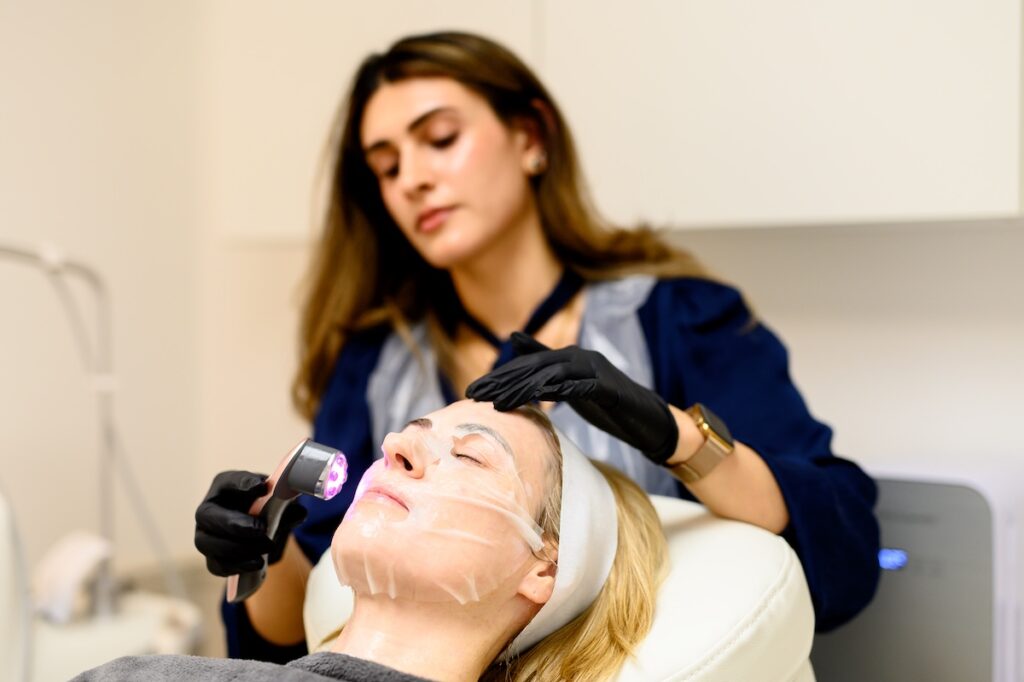
This is where CHROMA Skin Tech, LadyCPR’s newest client, comes in. Founded by registered nurses Amy Newsham, Laura Duffey, and Amanda Gregory, CHROMA has developed an LED Light Therapy Mask using clinically recognised wavelengths, including 633nm red light and near-infrared wavelengths.


Red and near-infrared light are increasingly used in skincare to support cellular activity, skin repair, and collagen-related processes. The CHROMA mask combines four wavelengths with adjustable intensity settings and different treatment modes, giving users the flexibility to incorporate LED into their regular routine.
For collagen banking, this kind of consistency is important. The objective isn’t one dramatic treatment, but supporting skin health repeatedly over time.
When Should You Start?
There is no magic age at which everyone should begin collagen banking. Skin ages differently depending on genetics, lifestyle, sun exposure, and hormonal changes.
However, the principle is simple: prevention is generally easier than trying to reverse significant structural changes later.
That doesn’t mean rushing into aesthetic treatments in your twenties or treating normal ageing as something that needs fixing. It means understanding your skin, protecting it and, when appropriate, working with a qualified professional to create a long-term plan.
The Future of Aesthetics Is Preventative
Collagen banking represents a wider change in how we think about ageing. Instead of waiting for lines, laxity, and loss of firmness to become pronounced before doing anything, more people are taking a preventative approach to skin health.

Whether that means excellent SPF and skincare, LED at home, energy-based treatments, regenerative procedures, or a combination of approaches, the most important factor is having a plan that is appropriate for your individual skin.
Your skin isn’t something to fix at the last minute. Like any long-term investment, it benefits from consistency, protection, and considered decisions.
At LadyCPR, we believe the future of aesthetics is not about chasing perfection or trying to stop the clock. It is about helping people maintain healthy, resilient skin and age on their own terms. For more insights and updates on the beauty and well-being market, be sure to follow our blog at LadyCPR.