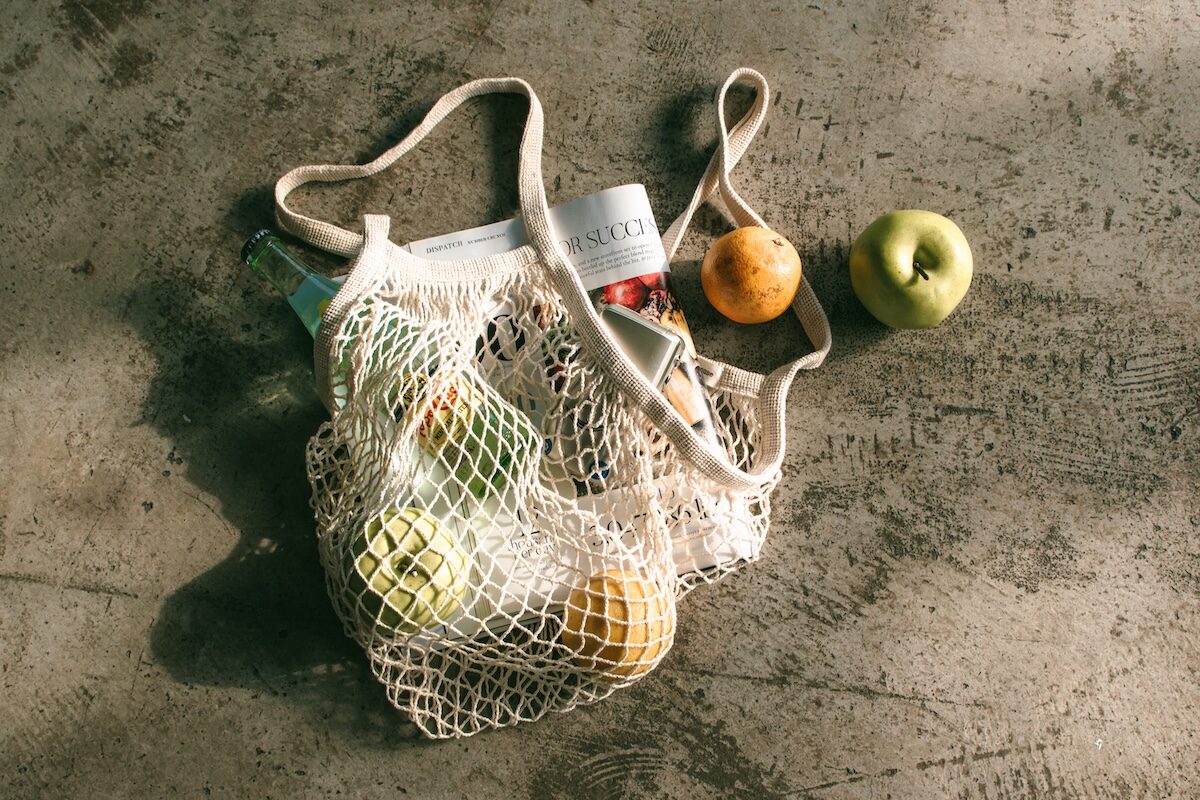
Luxury used to be measured in handbags, holidays and square footage. Today, increasingly, it is measured in what is on your plate. From £18 smoothies and organic produce hauls to carefully curated “what I eat in a day” content, food has become a visible marker of identity, aspiration and cultural capital. In a world where traditional assets feel out of reach for many, food is one of the most accessible ways to signal taste, values and lifestyle.
This shift is not superficial. It is reshaping the wellness industry, redefining beauty narratives and forcing brands to rethink how they communicate value.
The Rise of Edible Status
For younger consumers in particular, especially Millennials and Gen Z, status is less about overt displays of wealth and more about alignment with values. Sustainability, gut health, biohacking, plant-based eating, and low-tox living are not just personal choices; they are social signals.
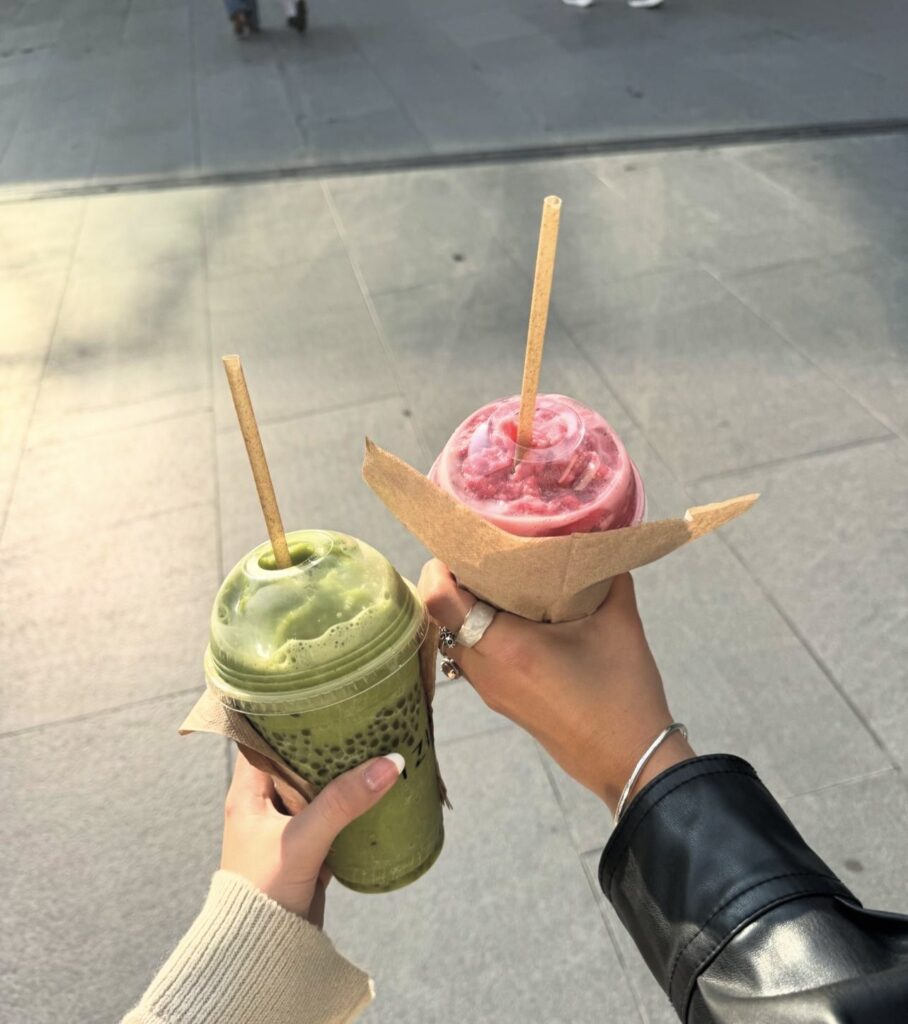
A perfectly styled farmers’ market haul or collagen matcha is not simply breakfast. It communicates discipline, knowledge, cultural awareness and commitment to self-optimisation. Food has become performative, shareable and deeply intertwined with identity. In this context, wellness is the new wealth.
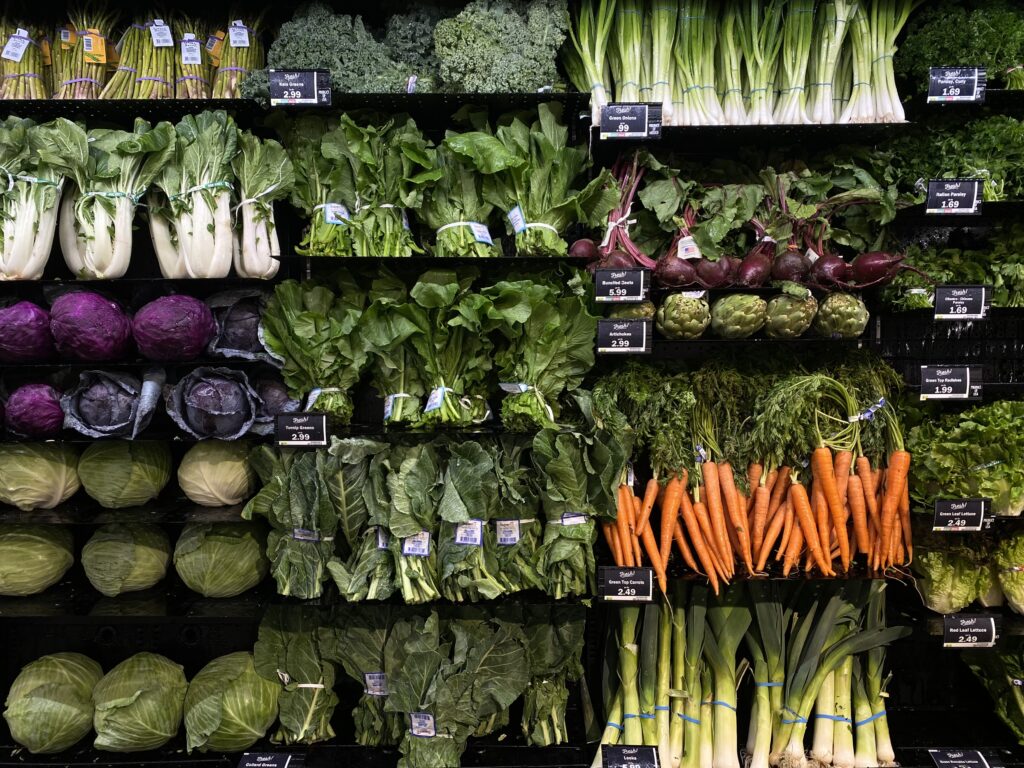
The Impact on the Wellness Market
The wellness industry has expanded beyond fitness and spa culture into daily consumption habits. Functional foods, adaptogenic drinks, supplement-led beverages and gut health products now sit at the intersection of nutrition and lifestyle branding.
Three clear shifts are emerging:
1. Function Is Fashionable
Consumers want food that does something. Protein-enriched snacks, nootropic coffees, probiotic yoghurts and skin-support supplements are marketed not just for taste, but for outcome. The line between pharmacy, pantry and beauty cabinet is blurring.
2. Ritual Over Indulgence
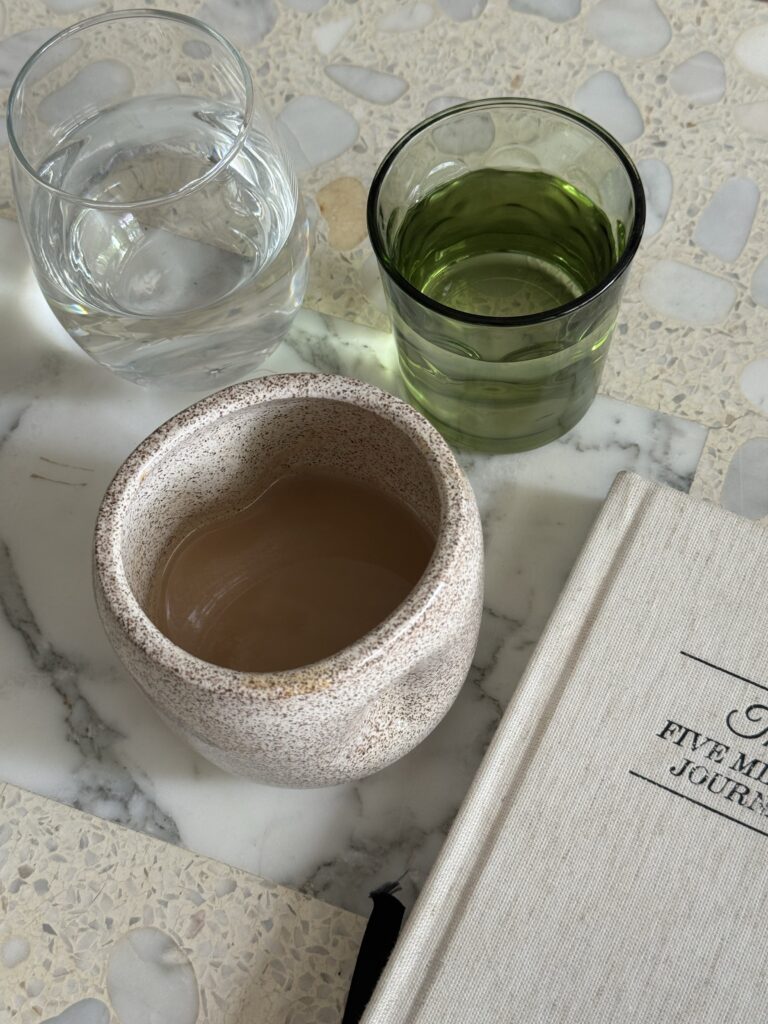
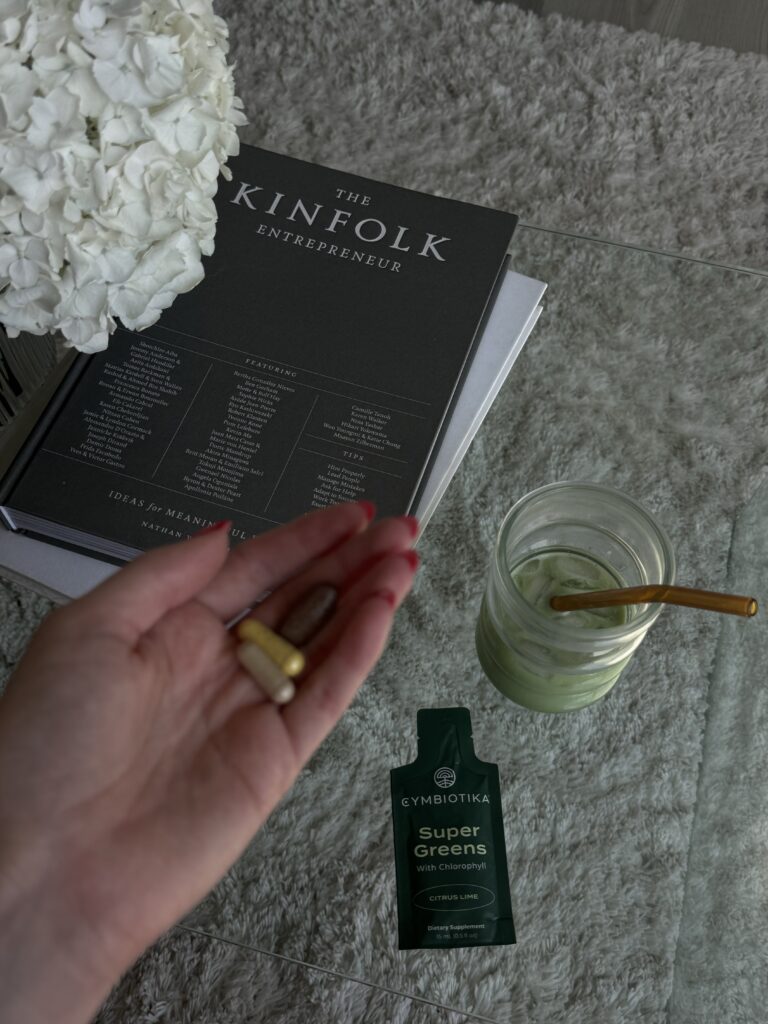
Wellness is increasingly framed as a daily ritual. Morning greens powders, evening magnesium drinks and weekly bone broth deliveries create repeatable behaviours that reinforce identity. Brands that position themselves as part of a routine, rather than a one-off purchase, build deeper loyalty.
3. Community as Currency
Shared habits build tribes. Online communities around gut health, hormone balance or biohacking create belonging. Food brands that facilitate education, events or conversation are moving beyond product into an ecosystem. For clinics, practitioners and wellness founders, this presents a significant opportunity. Authority now extends beyond treatment rooms into lifestyle guidance.
Food’s Influence on Beauty
Perhaps the most interesting evolution is how food culture is reshaping beauty.
The Foodification of Beauty
Packaging, scent profiles and shade names increasingly reference desserts, fruit and indulgent textures. From “glazed” skin to strawberry blush and latte makeup tones, beauty has borrowed the language of the kitchen. This works because food is sensory. It triggers emotion, nostalgia and desire in ways clinical language cannot.
Beauty From Within
Simultaneously, ingestible beauty has entered the mainstream. Collagen powders, skin-support supplements and adaptogen blends promise glow from the inside out. The consumer no longer sees skincare as purely topical; gut health and inflammation are now part of the beauty conversation. For aesthetic clinics and wellness brands, this means clients are more educated and more demanding. They are looking for holistic solutions, not isolated treatments.

Key Trends Emerging
Several cultural undercurrents are shaping this movement:
Aesthetic-led consumption
If it does not photograph well, it struggles to gain traction. Visual appeal is commercial power.
Performative wellness
Health habits are shared publicly. Wellness is content.
Affordable luxury
When property and traditional investments feel unattainable, premium food becomes a smaller, attainable indulgence that still signals aspiration.
Cross-industry collaboration
Fashion brands opening cafés. Beauty brands launching smoothie partnerships. Clinics hosting nutrition-led events. Food has become a cultural bridge.
How Brands Should Navigate This Shift
For founders, clinics and lifestyle brands, the temptation is to chase aesthetics. However, longevity requires more than a visually pleasing smoothie moment.
Lead with credibility
If referencing functional ingredients or wellness claims, ensure they are backed by expertise. Medical voices and qualified practitioners add essential authority.
Build experience, not just product
Events, workshops, curated menus, collaborative pop-ups and educational content create depth. The modern consumer buys into lifestyle, not inventory.
Avoid superficial trend adoption
Food is cultural and personal. Brands should approach collaborations and narratives with authenticity and respect, rather than opportunism.
Think ecosystem
Consider how treatments, supplements, skincare, nutrition and digital content can support one another. The future belongs to integrated wellness models.
The Strategic Takeaway
Food is no longer just sustenance. It is symbolism. It represents control, knowledge, aspiration and belonging in an uncertain economic climate. For the wellness and beauty industries, this presents both opportunity and responsibility. Consumers are signalling that they care about what they put into their bodies as much as what they put on them. Brands that understand this and respond with depth, integrity and innovation will not only remain relevant, but lead.
For agencies like LadyCPR, this is where strategic positioning becomes critical. The conversation is no longer about products alone. It is about narrative, authority and cultural timing. For more insights and updates on the wellbeing market, be sure to follow our blog at LadyCPR.