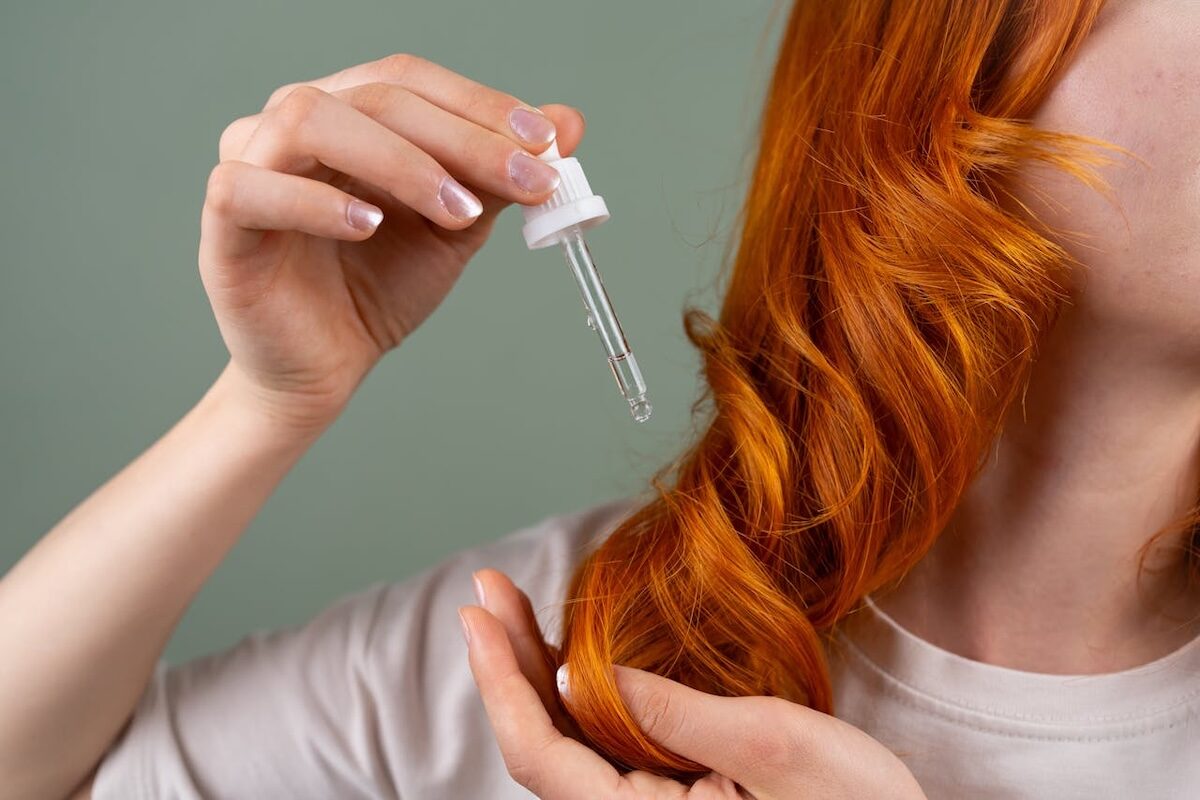
At LadyCPR, we believe true hair wellness isn’t just about what you use when styling, it’s about what you do consistently. One step that often makes a real difference is hair oiling. This ancient ritual has made a strong comeback in modern hair care, and when done well, it can boost shine, improve moisture and even protect your hair.
What is Hair Oiling
Hair oiling involves applying a natural oil or blend to the hair, usually from the mid-lengths to the ends and sometimes to the scalp, to enhance moisture and support overall hair health. The practice has roots in Ayurvedic tradition and has become popular again through natural-hair care trends.
The Benefits
Adds moisture and shine
Hair that has been through repeated styling, heat or chemical treatments often suffers from dryness and dullness. Oils can help restore a moisture barrier and make strands appear smoother and more reflective.
Improves the appearance of split ends
While oils cannot repair split ends, applying oil to the ends helps reduce their frayed look and prevents further breakage by adding slip and flexibility.
Protects from environmental stress
Certain oils create a protective layer that helps shield the hair from UV exposure, pollution and heat damage. This makes them an excellent choice before styling or spending time outdoors.
Supports scalp health
Some oils have soothing or antimicrobial properties that can help reduce dryness or flakiness, leaving the scalp more comfortable and balanced. However, not every scalp responds the same way, so it’s worth testing how your skin reacts.
Is Hair Oiling Right for You
Not every hair type benefits in the same way. People with dry, coarse or tightly curled hair often see the greatest improvement in softness and manageability. Those with fine, straight or oily hair might find oils too heavy and may prefer lighter applications or less frequent treatments. If you have scalp conditions such as dandruff or psoriasis, you should proceed with care and consider consulting a specialist first.
Choosing the Right Oil
Here are some commonly used oils and what they are best for:
Coconut oil: Excellent for dry or brittle hair due to its rich moisture-boosting properties.
Argan oil: Perfect for dry or frizz-prone hair as it adds shine and smoothness.
Almond oil: A lighter option that nourishes without weighing the hair down and can help soothe the scalp.
Jojoba oil: Mimics the scalp’s natural sebum, making it ideal for maintaining balance.
Pumpkin seed oil: Rich in nutrients and known to help support thicker, stronger hair over time.
Choose pure, cold-pressed oils whenever possible and start with a small amount until you find the right balance for your hair type.
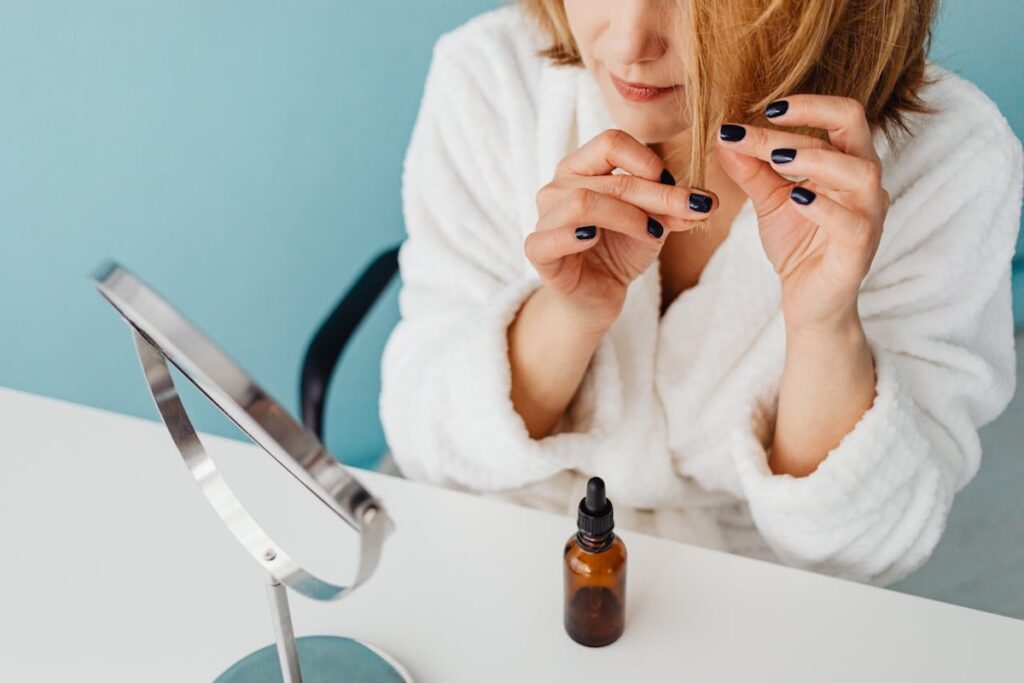
How to Oil Your Hair
Step 1: Prepare your hair
Gently detangle with a wide-tooth comb to avoid damage.
Step 2: Choose your oil and amount
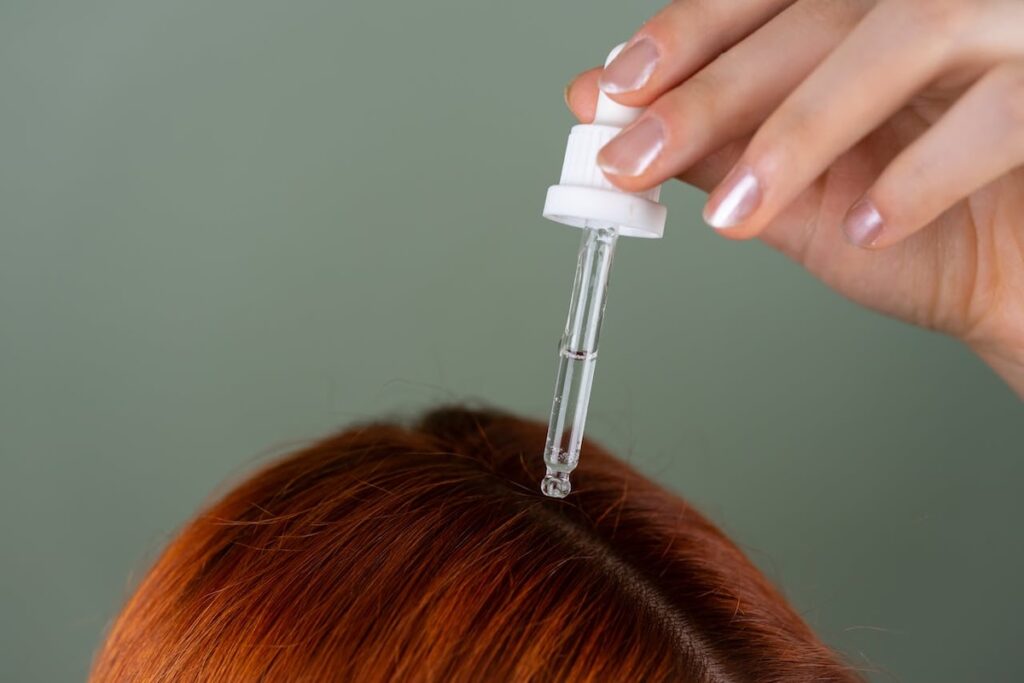
Use a small amount to start, focusing on the mid-lengths and ends. For very dry or coarse hair, you may also apply a little to the scalp if it tolerates oil well.
Step 3: Apply the oil
Work the oil through dry hair. Dry hair absorbs oil more effectively than wet hair, as there is no water barrier to prevent penetration.
Step 4: Let it rest
Leave the oil in for at least 20 to 60 minutes. If your hair is very dry, you can leave it overnight, covering your pillow with a towel to prevent stains.
Step 5: Wash out thoroughly
Use a gentle, sulphate-free shampoo with lukewarm water. You may need two washes if you have used a generous amount. Follow with conditioner as usual.
Step 6: Set a routine
For dry or coarse hair, once a week is ideal. For fine or oily hair, once every two weeks or less may be better. Over-oiling can lead to build-up and dullness, so adjust depending on your results.
Making Hair Oiling Part of Your Routine
At LadyCPR, we stand for prevention, care and renewal, and hair oiling fits beautifully within that philosophy. Choose one evening a week to dedicate to self-care and allow your oil treatment to become part of your ritual. After washing and conditioning, style as normal and notice the difference in texture, shine and manageability.
If you have coloured or heat-styled hair, oiling acts as a supportive measure, helping to maintain health and resilience. Tailor your choice and frequency to your hair type: lighter oils and shorter treatments for fine hair, richer oils and longer sessions for coarse or curly hair.
Final Thoughts
Hair oiling is not a miracle cure, but when done correctly and consistently, it can bring visible improvements to the health and beauty of your hair. If your strands feel dry, dull or fragile, this timeless ritual could be the nourishing step your hair has been waiting for.
For more insights and updates on the medical market, be sure to follow our blog at LadyCPR.