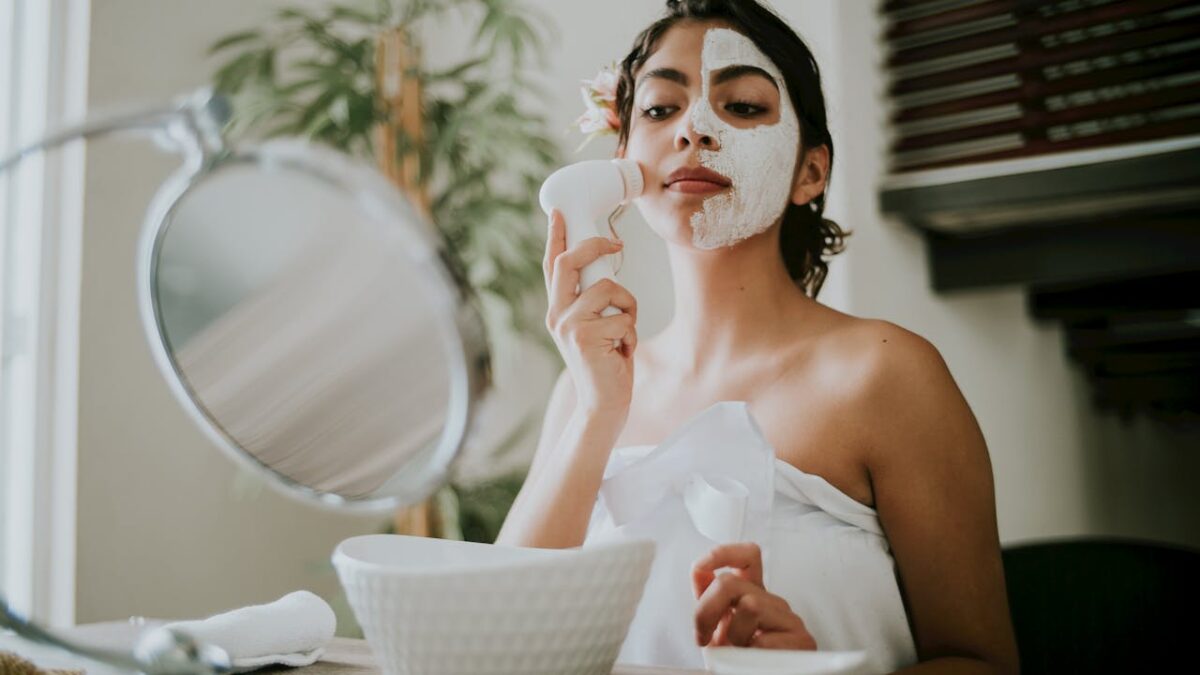
The next generation of consumers is reshaping how and why we spend. For Gen Z and Millennials, beauty and wellness are no longer occasional indulgences but everyday priorities. These generations are investing in how they look and feel with intention, viewing self-care as essential rather than optional.
As researched by Aesthetic Medicine, women across Gen Z and Millennials are spending an average of £6,648 per year on beauty and wellness. This figure alone highlights a major cultural shift, one that brands, clinics and wellbeing leaders can no longer ignore.
Beauty and Wellness Are Now Non-Negotiables
Younger consumers approach beauty and wellness as part of their lifestyle infrastructure. Skincare, supplements, aesthetic treatments, fitness memberships and wellness technologies are seen in the same category as rent, food or travel. These purchases are no longer framed as luxuries but as tools for maintaining physical, emotional and mental wellbeing.
This generation grew up in a world where burnout, anxiety and constant digital exposure are normalised. As a result, they are more proactive about preventative care, stress management and appearance maintenance. Wellbeing is no longer reactive. It is planned, budgeted for and prioritised.

The Blurring of Beauty and Wellbeing
One of the most notable shifts is the erosion of boundaries between beauty and wellness. Skincare is no longer just about aesthetics. Products and treatments now promise improved skin health, barrier repair, inflammation reduction and long-term skin resilience.
Similarly, wellness has become visibly aesthetic. Supplements are marketed for glowing skin, gut health is linked to appearance, and fitness routines are framed as confidence-boosting rather than purely physical. For the next generation, looking good and feeling good are inseparable.
Social Media Has Changed the Rules
Social platforms have played a significant role in accelerating this shift. Instagram and TikTok have normalised conversations around injectables, skin treatments, biohacking, hormone health and preventative ageing. What was once discreet or taboo is now openly discussed, reviewed and shared.
This visibility has removed stigma while simultaneously increasing aspiration. Treatments and products that once felt exclusive are now perceived as accessible and expected. Younger consumers are highly educated, research-driven and influenced by peer experiences rather than traditional advertising.
A New Definition of Value
Unlike previous generations, Gen Z and Millennials are less focused on ownership and more focused on experience and outcome. They are willing to spend more if they believe a product or treatment will deliver tangible benefits, whether that is improved confidence, better skin, reduced stress or long-term health support.
This generation values transparency, results and credibility. They are quick to disengage from brands that overpromise or lack authenticity, but equally loyal to those that align with their values and deliver consistently.
Preventative Thinking Is Driving Spend
Another key driver behind increased spending is the preventative mindset. Younger consumers are not waiting for problems to appear before taking action. Instead, they invest early in skin health, body maintenance and mental wellbeing, believing that consistency now will reduce the need for more invasive or costly interventions later.
This approach is shaping everything from skincare routines to aesthetic treatment plans, with a focus on subtle, long-term results rather than dramatic transformations.
What This Means Going Forward
The rise in wellness and beauty spending is not a passing trend. It reflects a fundamental shift in how the next generation defines success, confidence and self-worth. Self-care is no longer framed as indulgent or excessive. It is practical, empowering and deeply personal.
For brands and clinics, this presents a clear opportunity. Those who understand the emotional, cultural and lifestyle motivations behind these spending habits will be best positioned to connect meaningfully with the next generation.
At LadyCPR, we see this shift not as vanity but as evolution. Beauty and wellness have become tools for confidence, resilience and self-expression. And this generation is leading that conversation unapologetically. For more insights and updates on the wellbeing market, be sure to follow our blog at LadyCPR.